
Starlink 2026: 9 Million+ Subscribers, Lower Orbits & V3 Satellites – What’s Coming Next
Starlink 2026 updates: Over 9 million subscribers, lowering thousands of satellites to 480 km orbit, V3 launches & Direct to Cell expansion. Elon Musk’s vision for global connectivity.
STARLINK
1/4/20262 min read
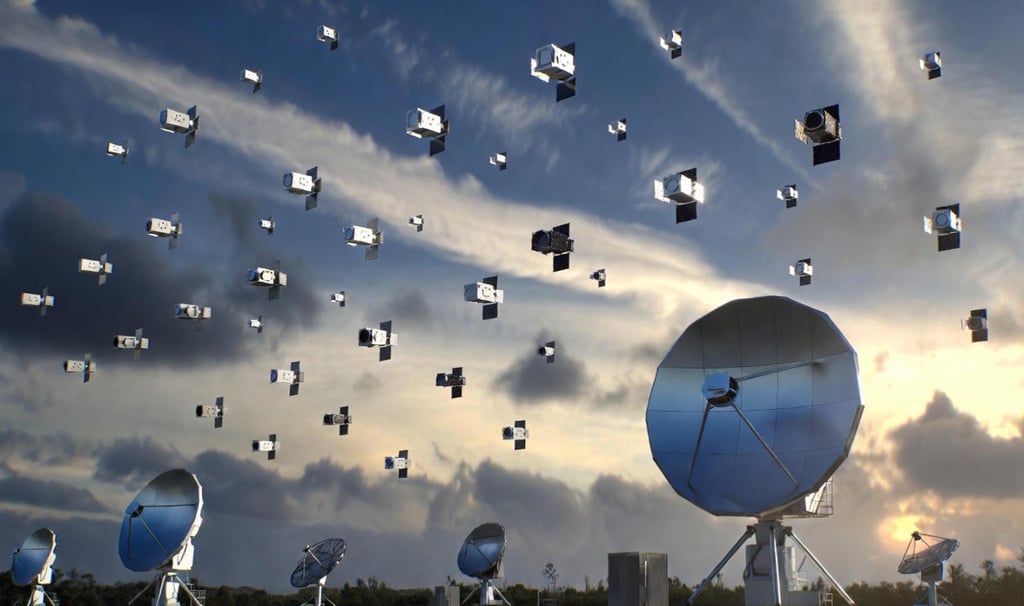
Elon Musk’s Starlink constellation continues to grow at an astonishing pace. At the beginning of 2026 the network has already surpassed 9 million active subscribers across more than 150 countries and territories – more than doubling its user base in just 12 months.
Major Orbit Reconfiguration in 2026
One of the most significant announcements for this year is the planned lowering of approximately 4,400 satellites that currently operate at ~550 km altitude down to ~480 km.
SpaceX states the main goals are:
Improved space safety – faster natural deorbit of satellites at end-of-life (months instead of years)
Reduced collision risk in increasingly crowded low Earth orbit
Lower latency & better performance for end users due to shorter signal travel distance
The maneuver will be gradual throughout 2026 and has already been coordinated with regulators and other major satellite operators.
Subscriber Growth & Market Expansion
Key highlights from late 2025 / early 2026:
9.2+ million subscribers (as of January 2026)
Rapid expansion into Africa, Southeast Asia and Latin America
Significant usage during natural disasters (hurricanes, wildfires, earthquakes) where traditional infrastructure failed
Growing adoption in maritime, aviation and RV/camping segments
Next-Generation V3 Satellites
SpaceX is preparing to launch the V3 generation of Starlink satellites starting in 2026 (most likely on Starship). Expected improvements include:
Significantly higher throughput per satellite (targeting ~1 Tbps)
Advanced beam-forming for better capacity in dense areas
Improved power efficiency
Larger deployable antennas for higher bandwidth
These satellites should enable multi-gigabit speeds to fixed terminals and substantially increase network capacity.
Direct to Cell – The Phone Revolution
The Direct to Cell service (cellular connectivity without special hardware) is being rolled out progressively:
Basic text messaging already operational in several countries
Voice & data expected to become widely available during 2026
Major carrier partnerships announced in the US, Canada, Australia, Japan, Switzerland and others
Why 2026 Could Be a Turning Point
Lower orbits + V3 satellites + Direct to Cell should create a noticeable jump in both performance and accessibility. If SpaceX achieves its internal flight cadence goals with Starship, the deployment rate of new satellites could accelerate dramatically.
Starlink is rapidly moving from “expensive novelty in remote areas” to “viable broadband alternative” in many markets – and potentially the backbone of a future global cellular network.
What do you think – will Starlink become your primary internet connection in the next 2–3 years?
Let us know in the comments!
Stay tuned to Grok Musk World for the latest on SpaceX, Tesla, xAI Grok and more.
Subscribe now and never miss an update.
Upcoming: Elon Musk’s xAI Revolution – How Grok Is Changing the World (pre-order soon).
#Starlink #SpaceX #ElonMusk #SatelliteInternet #DirectToCell #Starlink2026
Copyright © 2025 Grok Musk World
Connect with us
Prefer privacy-first search? Find us on DuckDuckGo.com, Brave.com Search & Kagi.com : grokmuskworld.com